

Introduction
The Harmonic Weighted Moving Average (HWMA) is a specialized moving average that applies harmonic weighting to price data. Unlike traditional averages such as the Simple Moving Average (SMA) or Exponential Moving Average (EMA), HWMA emphasizes recent price action while maintaining balance across the entire dataset. This design makes it more responsive to short-term fluctuations while still preserving the broader trend context. Traders rely on HWMA to reduce lag, smooth erratic movements, and gain clearer insights into market direction.
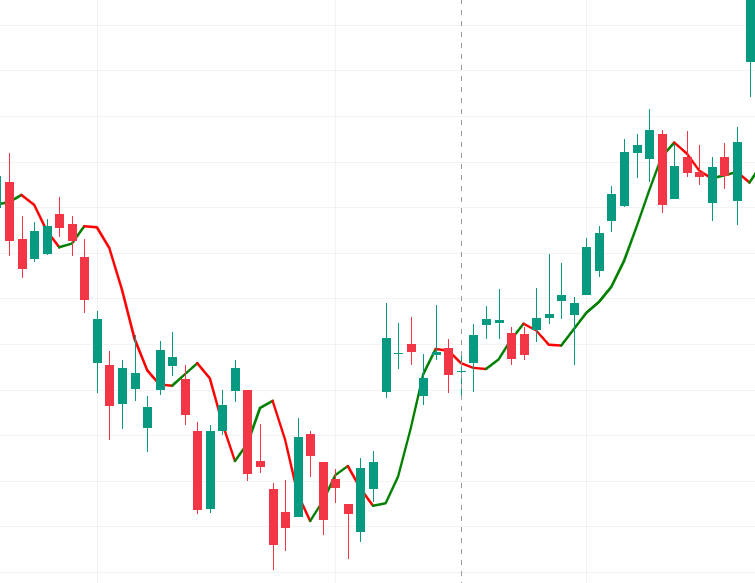
Structural Framework
The HWMA is calculated through a unique weighting process:
- Price Inputs → Typically closing prices over a chosen look-back period.
- Harmonic Weighting → Each price point is weighted inversely to its position in the series, giving greater emphasis to recent data while still accounting for older values.
- Smoothing Mechanism → The harmonic mean reduces distortion from extreme values, producing a balanced moving average line.
- Output Line → A single adaptive moving average plotted on the chart.
This structure ensures HWMA reacts quickly to genuine price movements while filtering out random noise.
Distinctive Features
The HWMA Indicator offers several qualities that distinguish it from conventional moving averages:
- Reduced Lag → More responsive than SMA or EMA, capturing shifts earlier.
- Balanced Weighting → Harmonic logic emphasizes recent prices without ignoring historical context.
- Noise Filtering → Smooths out erratic fluctuations for clearer signals.
- Trend Clarity → Highlights bullish and bearish phases with precision.
- Versatility → Effective across multiple timeframes and asset classes.
Benefits for Traders
The indicator provides practical advantages in trading analysis:
- Trend Recognition → Price consistently above HWMA suggests bullish sentiment, while price below indicates bearish bias.
- Disciplined Entries & Exits → Crossovers between price and HWMA generate reliable buy/sell signals.
- Risk Control → Filters out false signals by reducing noise, improving trade discipline.
- Reversal Awareness → Its responsiveness helps detect early trend changes.
- Analytical Synergy → Works well with oscillators such as RSI or MACD for layered confirmation.
Why It Matters
The HWMA is more than just another moving average—it is a harmonic weighting framework that balances responsiveness with stability. By reducing lag and filtering noise, it allows traders to stay aligned with genuine market momentum while avoiding misleading signals. This makes it particularly valuable for swing traders and long-term investors who require both clarity and adaptability.
Conclusion
The Harmonic Weighted Moving Average (HWMA) blends harmonic weighting with smoothing techniques to deliver more accurate trend signals. Its ability to reduce lag, highlight genuine momentum, and adapt across timeframes makes it a powerful tool for disciplined market analysis. While best used in conjunction with other indicators, HWMA provides a structured framework for navigating bullish and bearish markets with confidence. For traders seeking precision and adaptability, the HWMA Indicator stands as a next-generation moving average solution.
